This page is under construction. Read about my approach and check out the final video and pictures!
SerendipiTea
An inclusive memory game using TeaClay, stimulating touch and smell to create a connecting experience for both sighted and visually impaired individuals.
03/2022 to 06/2022
Group project
Project lead
Approach & process
Material Driven Design: designing from a material (rather than the end mean) through experimental characterisation of how it is received by people, and what it makes them think, feel and do
Although not linear, these are the key steps of my process:
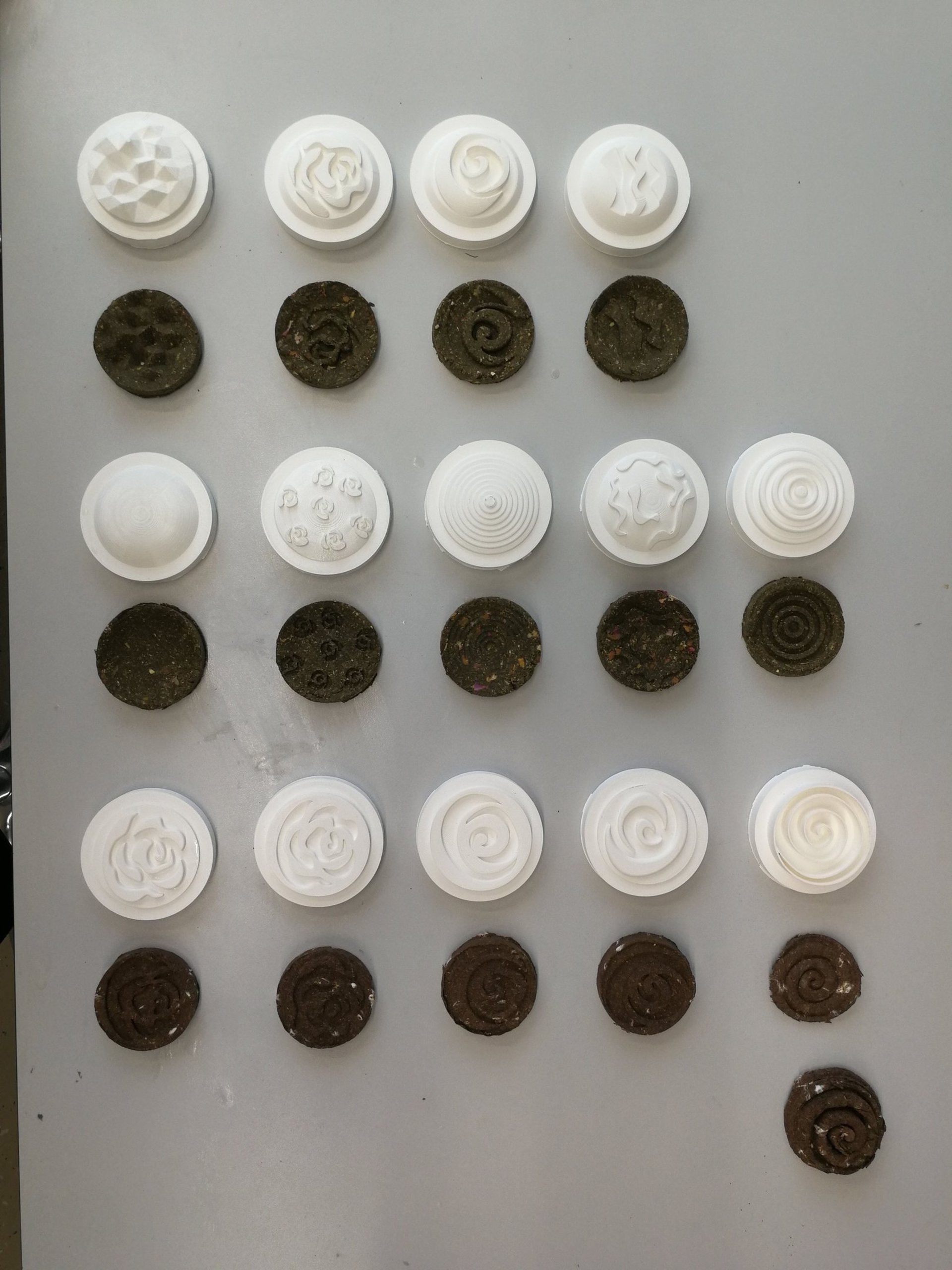
TeaClay is made from tea leaves waste and natural binders. Like any other clay, it offers the interesting property of malleability allowing to shape it freely. What sets it apart is its capacity to absorb and retain the scents of other organic materials mixed into it.
As it is entirely made from natural ingredients, TeaClay is compostable, resulting in a zero waste product. The approach taken for this project explores how these properties can guide the design of a new application of it.
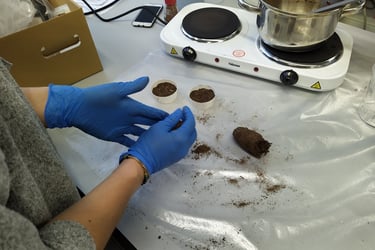
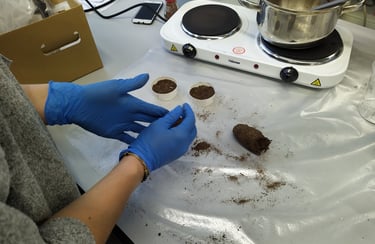
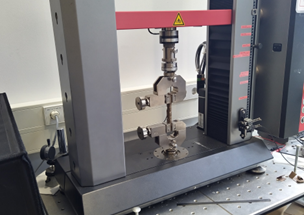
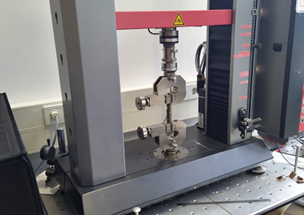
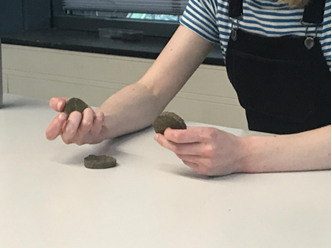
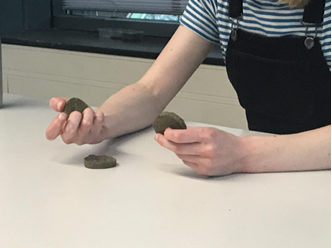
We explored TeaClay’s physical properties to map the limits and understand its functional behaviour.
1.
discovering TeaClay and experimenting with the recipe parameters
characterising mechanical properties (density, tensile strength and structural integrity)
studying the emotional and interactive responses elicited by the material
Technical characterisation
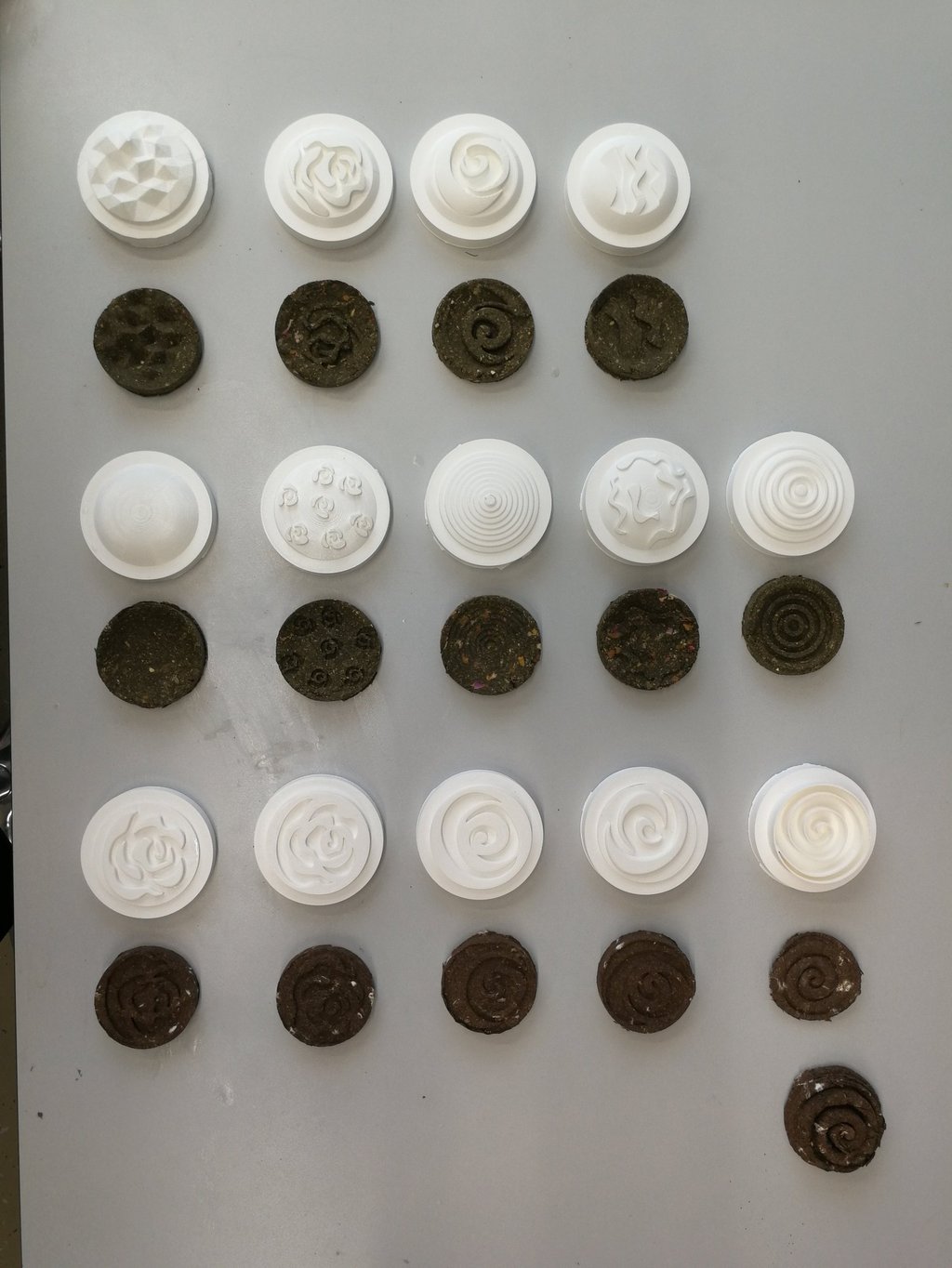
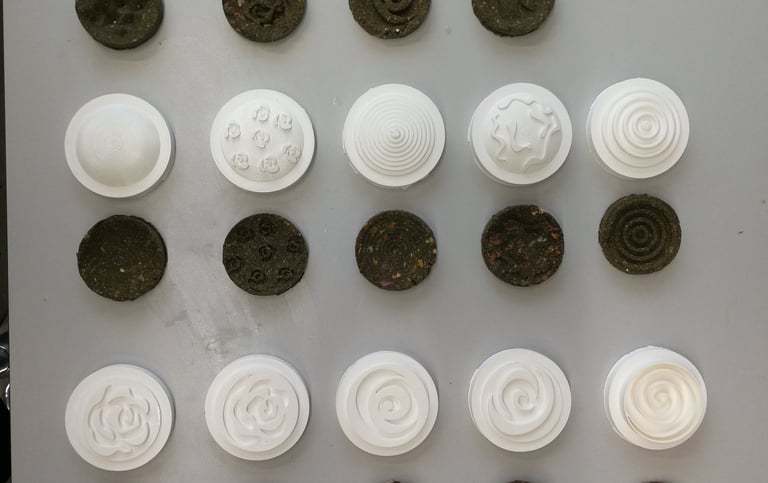
Exploiting the malleability and scent-retaining properties of TeaClay, we studied the emotional and interactive responses elicited by the material when testing it amongst users.
2.
Emotional and behavioral mapping
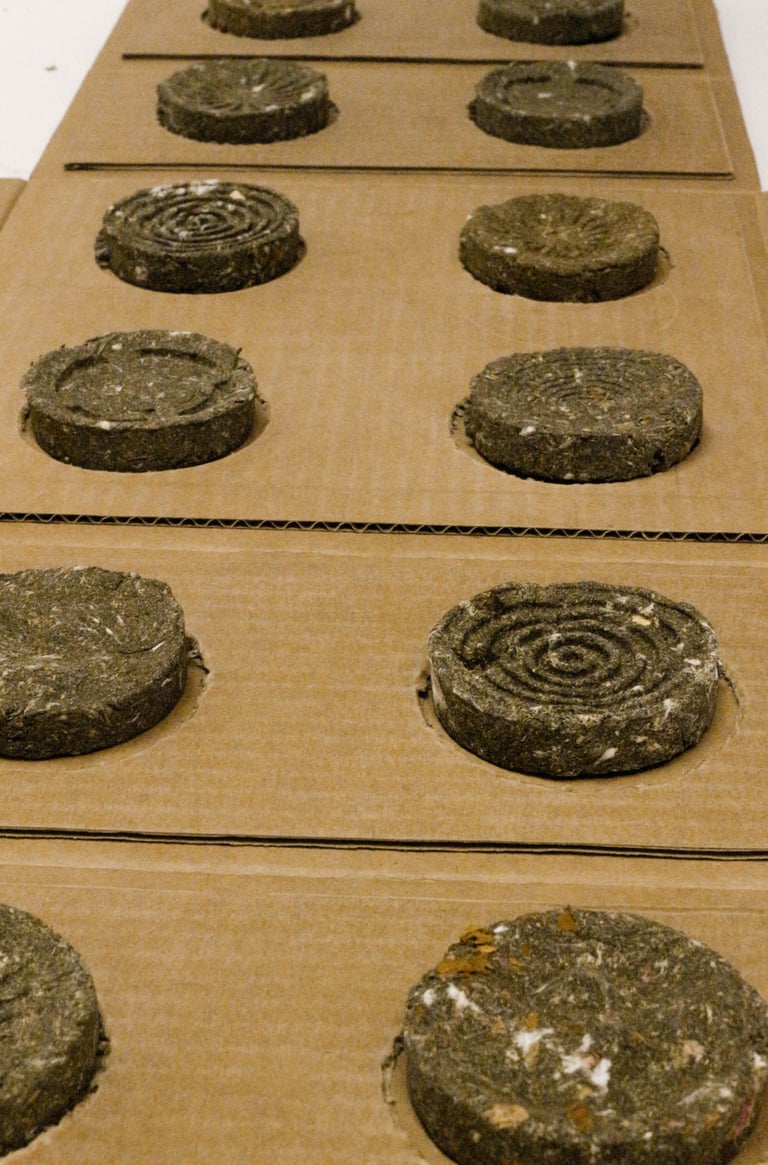
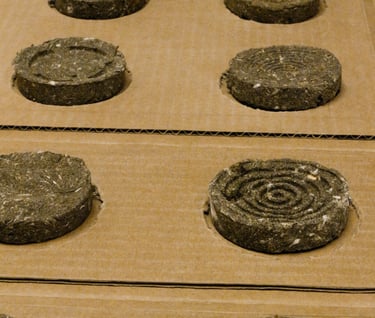
creation of a batch of samples with varying texture patterns and aromas
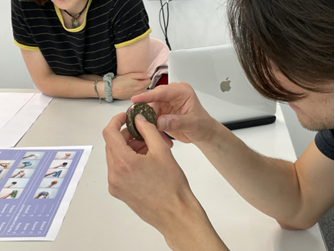
interpretive and performative evaluation of the samples with 3 participants

3.
Drawing from the material's characterisation insights, we imagined a vision for how users could interact with and experience TeaClay.
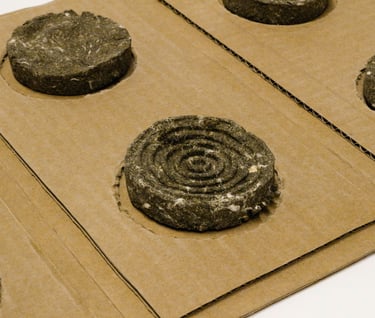
TeaClay’s printable patterns and lightweight nature encourage tactile exploration—holding, flipping, and rubbing—while its scent-releasing properties reveal hidden aromas. This creates a playful and sensory experience.
Material's experience vision
Like stars lighting your way through the night, TeaClay should awaken and lead you to discover your senses of touch and smell, as a shared experience.
"
CHANUA is a fun game that engages young girls of the Lamu Island in STEM education. It mirrors real-life situations on the island and encourages critical thinking and scientific curiosity. The game promotes teamwork, builds knowledge
A final user test was conducted with girls from a local school to evaluate the feasibility, desirability and viability CHANUA. The game:
is made with local resources
is co-designed with all actors to fit into the socio-cultural context and must be facilitated by an adult
includes features from the girls' surroundings and game elements from popular games such as Ludo
is reproducible thanks to the ready-to-be-used serious game design method developed for the maker space
Evaluation:
Results:
4.
Final concept
and confidence, and sparks important discussions about girls in STEM. Finally, exposition to the game contributes to enhancing female community resilience.
4.
Final concept
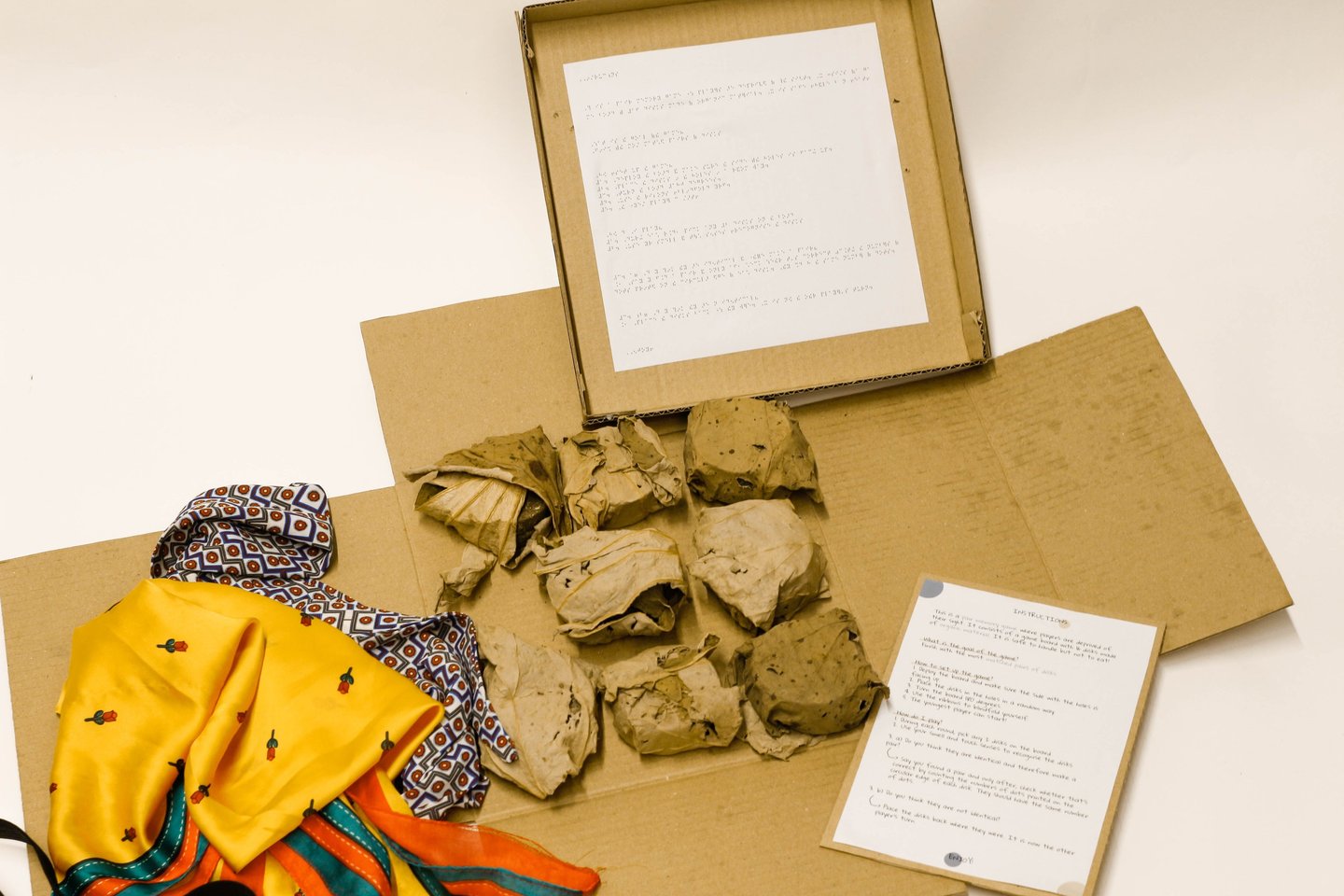
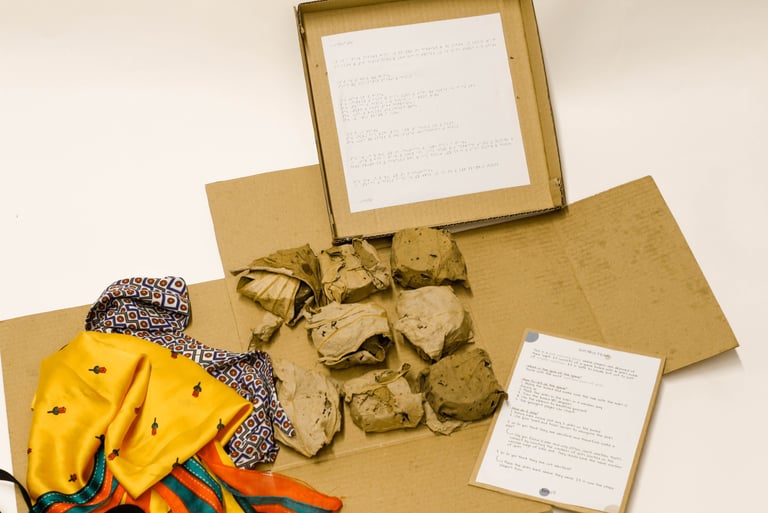
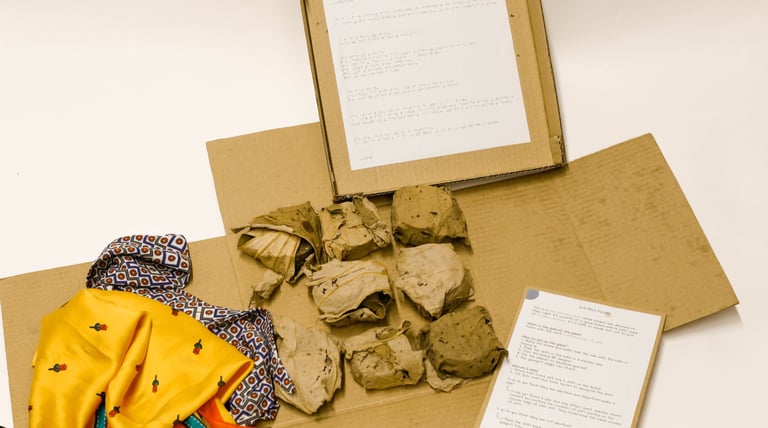
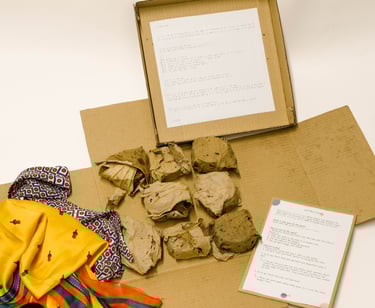
We designed a revisited memory game whereby players are deprived of sight and must use their touch and smell senses to memorise and find identical pairs. The purpose of this design is to create an inclusive experience by bringing together visually-impaired with non-visually-impaired people. The non-visually impaired player gets to experience smells and textures as a visually-impaired person.
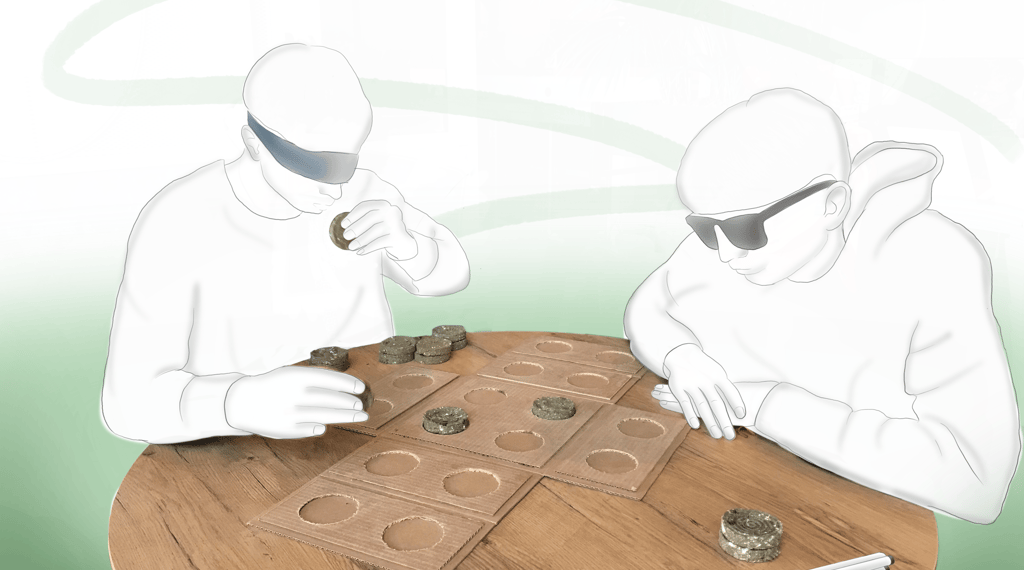
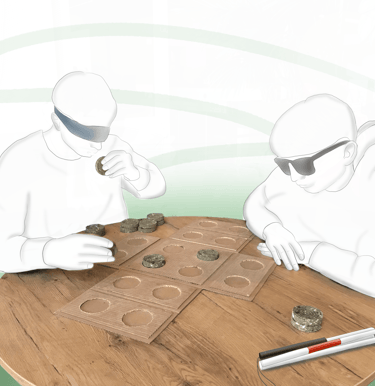

Watch our final concept video!

Reflection & learnings
execute a research-through-design project
design with and for children from a different culture
conduct a multi-stakeholders project
learn game design and create method tailored to local needs for capacity building
My main reflection is that although the initiative showed success, I believe my time in the field was too brief to fully absorb the culture and I recommend spending more time amongst the locals to design a game that fits better the context.
"
"
Check my other projects